Your Next Trip TRAVEL GUIDE

Georgia

Georgia holds some of the most defining sites of the Civil Rights Movement, and this journey follows the trail from Atlanta to Macon, Albany, Dublin, and Savannah. Visitors can step inside historic churches, walk the streets where protests unfolded, explore museums that preserve the era, and experience cultural spaces that shaped generations. This route is part of the larger Civil Rights Trail of the South, offering travelers a meaningful way to connect with the people, stories, and places that changed the nation.

Now, check out our recommendations featured in this episode and more!

How to Plan This Trip Yourself

  1. Suggested Trip Length: 3–5 days
    Best for: Road trippers, history travelers, families, educators, culture-focused explorers
    Best Time to Visit: March–May and September–November for comfortable weather
Steps to Get Started:
  1. Visit the official U.S. Civil Rights Trail Georgia page  for interactive maps, downloadable itineraries, and a full list of landmark sites. 

  2. Choose your accommodation hubs (e.g., Atlanta + Savannah) and plan day-trips to intermediate stops (Macon, Albany, Dublin).

  3. Reserve guided tours at key sites (e.g., the Martin Luther King Jr. National Historical Park) and check hours ahead.

  4. Allocate time for reflection and broader context—this isn’t just sightseeing; it’s a journey through history.

  5. Extend your trip: consider linking to the larger Civil Rights Trail across the South (Alabama, Mississippi, Tennessee) to make this a full regional experience.


 

What to do

Martin Luther King Jr. National Historical Park (Atlanta)

Explore Dr. King’s birth home, the original Ebenezer Baptist Church, Freedom Hall, and the Visitor Center.
Address: 450 Auburn Ave. NE, Atlanta, GA
Hours: 10 a.m.–5 p.m. (varies by building)
Cost: Free
Website: nps.gov/malu

Tubman African American Museum (Macon)

Largest museum in the Southeast dedicated to African American art, history, culture, and the legacy of Harriet Tubman.
Address: 310 Cherry St., Macon, GA
Hours: Tue–Sat 9 a.m.–5 p.m.
Cost: Adults $10
Website: tubmanmuseum.com

Ralph Mark Gilbert Civil Rights Museum (Savannah)

Focuses on Savannah’s sit-ins, boycotts, voter rights battles, and the long push for equality.
Address: 460 Martin Luther King Jr. Blvd., Savannah, GA
Hours: Wed–Sat 10 a.m.–2 p.m.
Cost: Adults $10
Website: rmgcivilrightsmuseum.com

Where to stay

The Candler Hotel (Atlanta)

Historic Beaux-Arts building with modern rooms; close to the King Historic District.
Address: 127 Peachtree St. NE, Atlanta, GA
Website: Candler Hotel 

Hotel Forty Five (Macon)

Stylish boutique hotel in downtown Macon, walkable to restaurants and landmarks.
Address: 401 Cotton Ave., Macon, GA
Website: Hotel Forty Five 

The DeSoto (Savannah)

A historic property in the heart of the Historic District with views and easy walkability.
Address: 15 E. Liberty St., Savannah, GA
Website: The DeSoto Hotel

And there’s tons of other fabulous places to stay during your trip.

Check out the best accommodation deals below.

What to eat

Paschal’s Restaurant (Atlanta)

Famous Civil Rights-era meeting spot; classic Southern dishes.
Address: 180 Northside Dr. SW, Atlanta, GA
Hours: 11 a.m.–9 p.m.
Cost: $12–$25
Website: paschalsatlanta.com

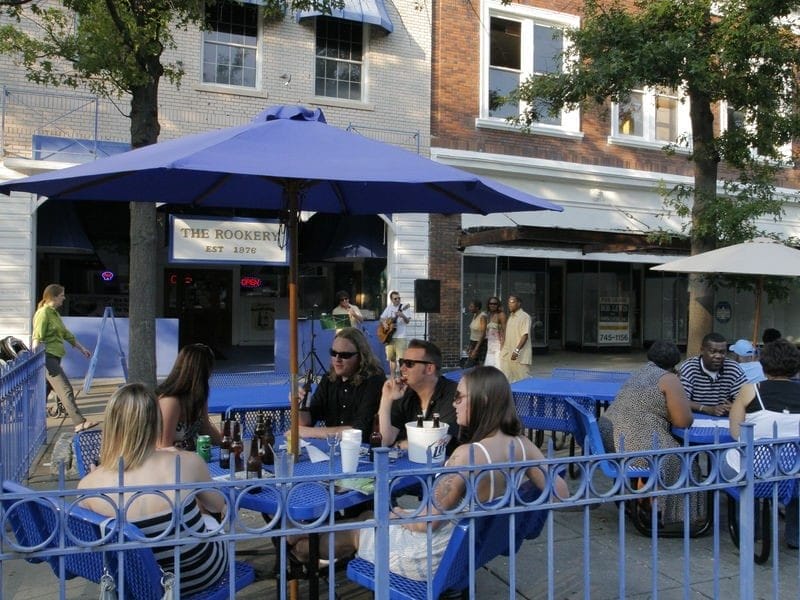
The Rookery (Macon)

Local landmark known for burgers, Southern bites, and liveable prices.
Address: 543 Cherry St., Macon, GA
Hours: 11 a.m.–9 p.m.
Cost: $10–$20
Website: rookerymacon.com

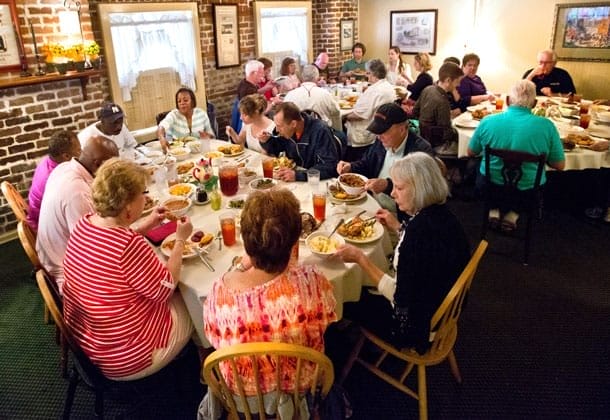
Mrs. Wilkes’ Dining Room (Savannah)

Family-style Southern cooking in one of Savannah’s most iconic homes.
Address: 107 W. Jones St., Savannah, GA
Hours: Mon–Fri 11 a.m.–2 p.m.
Cost: $30 fixed menu
Website: mrswilkes.com

Extend Your Journey:
The Larger U.S. Civil Rights Trail

Georgia is just one part of the larger Southern U.S. Civil Rights Trail, which includes:
Birmingham & Montgomery, Alabama – 16th Street Baptist Church, Edmund Pettus Bridge
Jackson, Mississippi – Medgar Evers Home
Memphis, Tennessee – National Civil Rights Museum at the Lorraine Motel
Selma, Alabama – Voting rights landmarks

This makes Georgia a natural starting point for a deeper exploration of the movement across the South.

Travel Tips

  • Best Time to Visit

    Spring (March–May) and fall (September–November) offer the best weather for a road trip, walking tours, and museum visits.
    Summer is doable but hot and humid, with larger crowds in Atlanta and Savannah.
    Winter is mild but some sites may have limited hours.

  • Getting Around

    This route is best experienced by car.
    • A rental car gives you flexibility to visit multiple cities in one trip.
    • Parking is generally easy outside major downtowns.
    • In Atlanta and Savannah, ride-shares (Lyft, Uber) are widely available.
    • MARTA in Atlanta can help you reach some stops, but you’ll still want a vehicle for the full trail.

  • Safety Tips

    • Civil Rights sites are located in a mix of urban and rural areas — be aware of your surroundings, especially if visiting in early morning or evening.
    • Museum hours can be limited, so arrive during daylight.
    • Some churches and museums are in historic neighborhoods — park in designated lots when available.
    • Respect that many sites are active community spaces, not tourist attractions.

  • Helpful Notes

    • All destinations on this trail are within the United States, so there is no need for currency exchange.
    • Cell service is reliable on the main highways, but rural stretches (especially between Macon → Albany) may have brief gaps.
    • Many Civil Rights sites are small museums with limited staff — checking hours online the day before is essential.
    • Guided tours enhance the experience, especially in Atlanta (Sweet Auburn, MLK Park tours) and Savannah.
    • Some locations encourage reflection time or allow guests to recite speeches or songs; it’s worth planning a slower pace.

    Plug Type: Type A (two-pin) and Type B (three-pin, grounded)
    Voltage: 120V
    Frequency: 60Hz

Packing list

Here’s our suggested items to pack for this destination. Please always consider the weather and activities you will be doing.

Clothing

• Lightweight, breathable tops for warm days
• A light jacket or cardigan for museums and evening temps
• Comfortable jeans or travel pants for walking tours
• A rain jacket or compact umbrella (Georgia weather can shift quickly)
• Seasonal layer:
– Spring/Fall: light sweater
– Summer: moisture-wicking clothing
– Winter: medium jacket
• Comfortable walking shoes with good support
• One elevated casual outfit for dining in Atlanta or Savannah

Gear & Essentials

• Smartphone + portable power bank (for photos, maps, and audio guides)
• Reusable water bottle for long walking days
• Small daypack or crossbody bag
• Printed or digital list of museum hours and tour confirmations
• Notebook or Notes app for reflections—many travelers like to capture thoughts at historic sites
• Car phone mount and charging cable for the drive
• Sunglasses, sunscreen, and a hat for outdoor stops

Road Trip Must-Haves

• Snacks and a refillable drink for longer highways between cities
• Offline map downloads in case of rural service gaps
• Parking app (ParkMobile) for Atlanta and Savannah
• Tissue or travel wipes (some historic churches have minimal facilities)

Cultural & Respectful Travel Items

(Helpful for visiting active churches and community sites)
• Modest, comfortable clothing for church visits
• Small donation cash for community-run museums or churches
• Headphones for listening to speeches or audio clips without disturbing others

Weather-Smart Additions

Summer: bug spray, cooling towel, extra water
Fall/Spring: light scarf, mixed layers
Winter: warm socks, medium-weight coat, gloves if visiting coastal Savannah

Documents & Digital Prep

• Valid driver’s license for rentals
• Road-trip itinerary saved in phone
• Reservations for hotels, tours, or timed museum entries
• Travel insurance (optional but helpful for multi-city trips)

Get a full packing list and free downloadable template at Pack Better

Ultimate Packing List Library

Find the perfect customizable packing list for all of your travel situations on our sister website Pack Better.

This episode of "Your Next Trip" explored the ancestral lands of

We extend our respect and gratitude to the Indigenous communities who have been the stewards of these lands for generations. Research for this acknowledgment was made possible using the NativeLand.ca.

Learn more about responsible travel practices in the TWD Responsible Travel Guide.

Visit the guide

Trip provided by: Georgia Department of Economic Development

Scroll to Top