Your Next Trip TRAVEL GUIDE
Amazon Rainforest
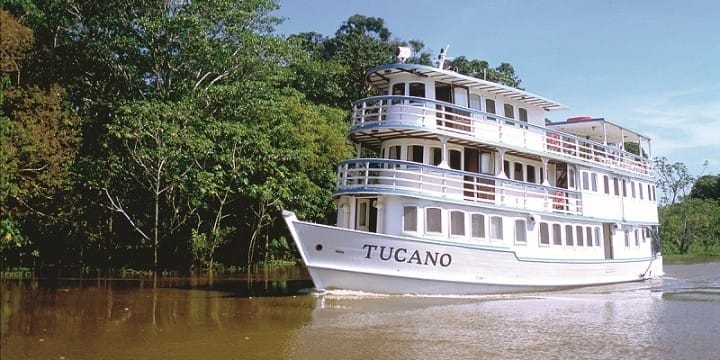
Step into the heart of the Amazon Rainforest on a riverboat journey aboard the Motor Yacht Tucano with Nature Tours. Cruise the remote Rio Negro, hike through dense jungle with Indigenous guides, and witness elusive wildlife by day and night. This immersive experience blends deep ecology, ancient culture, and raw adventure in one of Earth’s most sacred ecosystems.
Tip: We recommend arriving in Manaus at least one day before your cruise departure. This lively city is the gateway to Brazil’s Amazon and offers a fascinating mix of history, markets, and culture—including the famous Teatro Amazonas, a striking opera house in the middle of the jungle.
Now, check out our recommendations featured in this episode and more!
What to Expect on the Motor Yacht Tucano with Nature Tours

The Motor Yacht Tucano offers a sustainable and intimate cruise experience through Brazil’s Amazon Rainforest. Purpose-built for exploring the region’s winding waterways, this riverboat reaches areas inaccessible to larger vessels—perfect for eco-minded travelers looking for off-the-beaten-path immersion.
With just nine cabins, guests enjoy a low-impact journey alongside expert naturalist guides. The classic wooden design creates a cozy, expedition-style feel without sacrificing comfort.
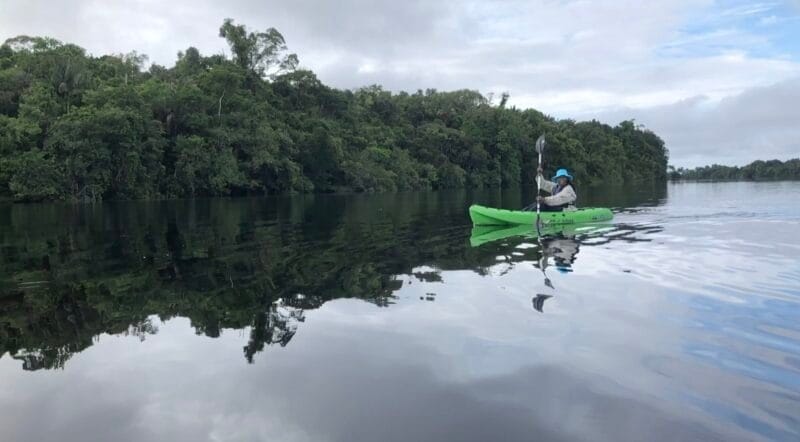
Highlights include daily excursions by kayak or canoe, rainforest hikes with Indigenous guides, and close wildlife encounters.
Pros include deep access into remote areas, knowledgeable guides, and sustainability focus.
Cons include no Wi-Fi onboard and limited personal space due to ship size.
This cruise is ideal for nature lovers, slow travelers, and those seeking a meaningful, low-impact way to explore the Amazon.
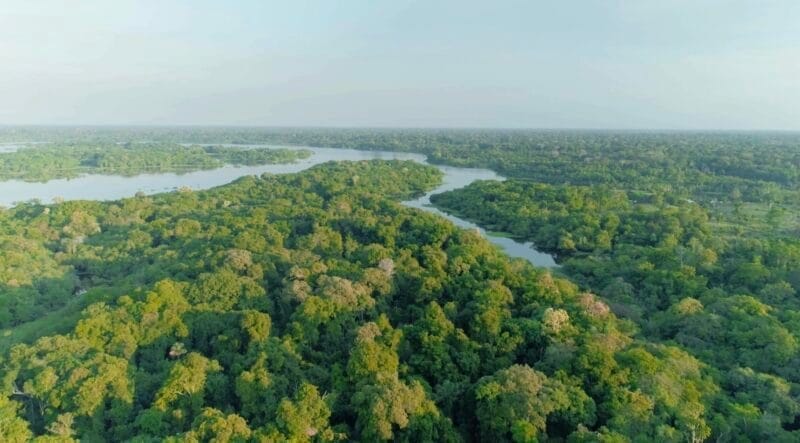
HIGHLIGHTS FROM THE JOURNEY
Cruising the Rio Negro
Sail deep into the Rio Negro, one of the Amazon’s largest tributaries. With fewer people and no mosquitoes thanks to its acidic waters, this stretch offers peaceful cruising and constant wildlife sightings.
Jungle Hikes with Indigenous Guides
Trek through dense rainforest trails and learn from Indigenous guides who share generational knowledge of the flora, fauna, and survival practices tied to the land.
Canoe Adventures into Hidden Tributaries
Hop off the riverboat and into canoes to navigate narrow, winding streams lined with lush vegetation and teeming with wildlife. Keep your eyes peeled for sloths, toucans, and more.
Wildlife Encounters—Day and Night
From spotting pink river dolphins and piranhas by day to searching for black caimans and tree frogs by night, the Amazon pulses with life around the clock.
Cultural Connection in Local Villages
With an open heart, you may be invited into a local village—offering a rare and humbling window into the lives of those who’ve called the rainforest home for generations.
ABOUT YOUR STAY

Staying aboard the Motor Yacht Tucano is more than a place to sleep—it’s an expedition basecamp designed to bring you closer to the Amazon’s wonders. The accommodations are simple yet comfortable, with beautiful hardwood finishes and windows that open to the surrounding jungle.
Cabins with Character
Each cabin includes twin or double beds, a private bathroom, air conditioning, and river-view windows. There’s minimal storage, so pack light and efficiently.

Common Areas
Unwind in the salon or observation deck, where naturalists give talks and guests can relax while watching the Amazon drift by. Meals are served family-style in the dining room with fresh, regional ingredients.
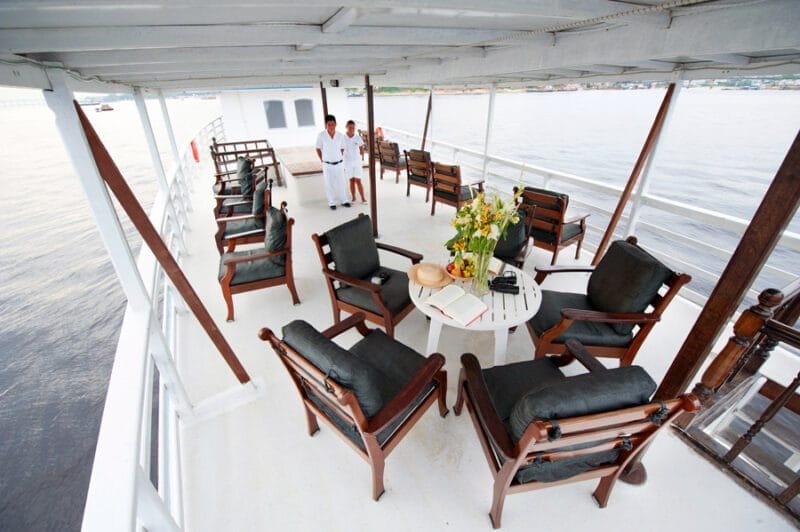
DINING EXPERIENCE

The dining experience aboard the Motor Yacht Tucano highlights the flavors of the Amazon, with freshly prepared meals that reflect the local environment. Many dishes feature freshly caught seafood, offering an authentic taste of the region. One unforgettable moment? Guests had the chance to try their hand at piranha fishing—and the onboard chef prepared the day’s catch for everyone to sample, making for a wild (and tasty) memory.
Meals are served family-style in the dining salon, fostering connection between guests as they share stories of daily adventures over tropical fruits, Amazonian fish, and hearty stews.
Accommodations for Dietary Needs
Special dietary requests can be accommodated with advance notice. Vegetarian, gluten-free, and light options are typically available, though menu flexibility may be limited due to the remote nature of the expedition.
Meal Schedule
Breakfast: Fresh fruit, eggs, local breads, coffee, and juice
Lunch & Dinner: Three-course meals with rotating entrees like grilled fish, rice dishes, local vegetables, and tropical desserts
Snacks: Light snacks and refreshments are available between excursions
Travel Tips
Best Time to Visit
The dry season (July to December) is ideal for cruising the Rio Negro. Water levels are lower, making jungle hikes more accessible and wildlife easier to spot. The rainy season (January to June) is better for exploring flooded forests by canoe.
Safety Tips
Follow your guide’s instructions during hikes and canoe outings
Wear long sleeves and use eco-friendly insect repellent
Stay hydrated—bring a refillable bottle
Avoid swimming unless advised safe by guidesHelpful Notes
Currency: Brazilian Real (BRL), needed for tips for crew and locals
Language: Portuguese (but your guides speak English)
Health Precautions: Yellow fever vaccination recommended; carry mosquito protection
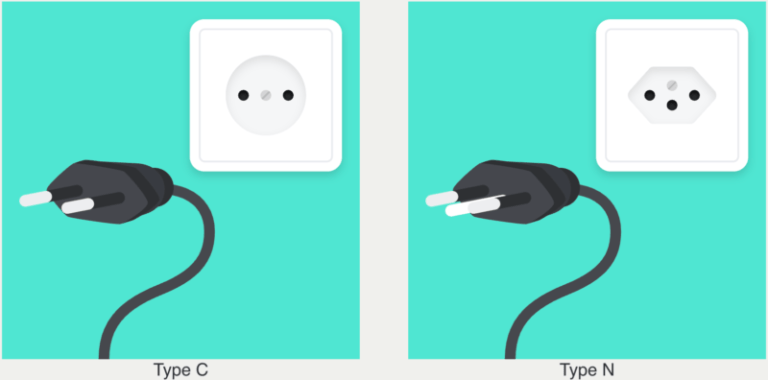
Plug Type: Type C & N (bring a converter)
Voltage: 127/220V (dual)
Frequency: 60Hz
Packing list
Here’s our suggested items to pack for this destination. Please always consider the weather and activities you will be doing.
Essential Clothing
Lightweight, breathable long-sleeve shirts (for sun and insect protection)
Quick-dry pants and shorts
Moisture-wicking base layers (for layering and managing humidity)
Rain jacket or poncho (daily downpours are common)
Swimwear (for optional swims and piranha fishing)
Wide-brim hat (for sun protection on hikes and canoe rides)
Buff or neck gaiter (can double as sweat guard or mask during dusty trails)
Comfortable hiking shoes (water-resistant and broken-in)
Water shoes or river sandals (for wet landings and canoeing)
Gear & Accessories
Waterproof dry bags (to protect electronics and valuables during excursions)
Binoculars (wildlife often appears at a distance)
Headlamp or flashlight (for nighttime jungle walks and in-cabin use)
Reusable water bottle or hydration bladder
Camera with waterproof case or GoPro
Portable power bank (no outlets during daily excursions)
Small daypack (lightweight, water-resistant)
Health & Hygiene
DEET-free insect repellent (strong tropical formula recommended)
Reef-safe sunscreen (you’ll be under intense sun on river and trail)
Anti-itch cream or antihistamines (for bites or minor rashes)
Electrolyte tablets or rehydration salts
Travel-size first aid kit
Prescription meds + motion sickness pills (some travelers get queasy on canoes)
Anti-diarrheal medication + probiotics (dietary shifts may cause discomfort)
Quick-dry towel
Toiletries in leak-proof containers
Eco-friendly biodegradable soap (river-safe)
Documents & Travel Essentials
Passport (with valid Brazil visa, if required)
Travel insurance card/info (make sure it covers medical evacuation)
Vaccination certificate (yellow fever highly recommended)
Printed cruise documents & emergency contact list
Photocopy or digital backup of important documents
Cash in Brazilian Real (some small shops won’t accept cards)
Optional but Helpful
Travel journal or waterproof notebook
Books or Kindle (no internet onboard!)
Earplugs (for light sleepers; jungle sounds can be loud)
Cooling towel or misting fan
Mini umbrella (for sudden rain bursts)
Foldable shopping bag or extra packing cube (for wet/dry separation)
Get a full packing list and free downloadable template at Pack Better.
Ultimate Packing List Library
Find the perfect customizable packing list for all of your travel situations on our sister website Pack Better.
This episode of "Your Next Trip" explored the ancestral lands of the Indigenous Peoples of Brazil. There are more than 400 tribes and nations and we extend our respect and gratitude to the Indigenous communities who have been the stewards of these lands for generations. Research for this acknowledgment was made possible using the NativeLand.ca.
Learn more about responsible travel practices in the TWD Responsible Travel Guide.
Visit the guideTrip provided by: Amazon Nature Tours
Special Thanks:
Gabriella McNamara, Mark Baker